Managing co-packing relationships is one of the most underrated challenges in CPG supply chains.
On paper, the arrangement is straightforward: a brand outsources packaging and production to a specialized co-packer, who executes against agreed specifications and delivers finished goods. In practice, it’s a relationship that requires constant communication, clear expectations, shared data, and mutual accountability.
When it works well, co-packing enables brands to scale faster, enter new markets, and focus on their core competencies. When it doesn’t, it produces delayed orders, quality failures, and strained partnerships that can take years to rebuild.
What Makes Co-Packing Relationships Complex?
Co-packing relationships involve a level of operational interdependence that goes beyond a typical supplier relationship. The brand provides raw materials, packaging specifications, quality standards, and forecast demand. The co-packer contributes labor, production capacity, operational expertise, and execution.
Between those two parties, there are dozens of potential points of friction:
- Miscommunication on order specifications or change requests
- Inventory discrepancies between what the brand expects and what the co-packer has on hand
- Quality deviations discovered late in the production run
- Capacity constraints that aren’t surfaced until a deadline is at risk
- Documentation gaps that create compliance exposure
Managing these risks at scale — across multiple co-packing partners, product lines, and geographies — requires more than spreadsheets and weekly check-in calls.
The Foundations of Effective Co-Packing Relationship Management
Brands that manage co-packing relationships well share a few common practices.
1. Clear, Shared Order Specifications
Every order should have a single source of truth: what’s being produced, to what specification, by when, and to what quality standard. When that information lives in email threads or PDFs, it creates room for misinterpretation. When it’s captured in a shared system, both sides can operate from the same data.
2. Real-Time Production Visibility
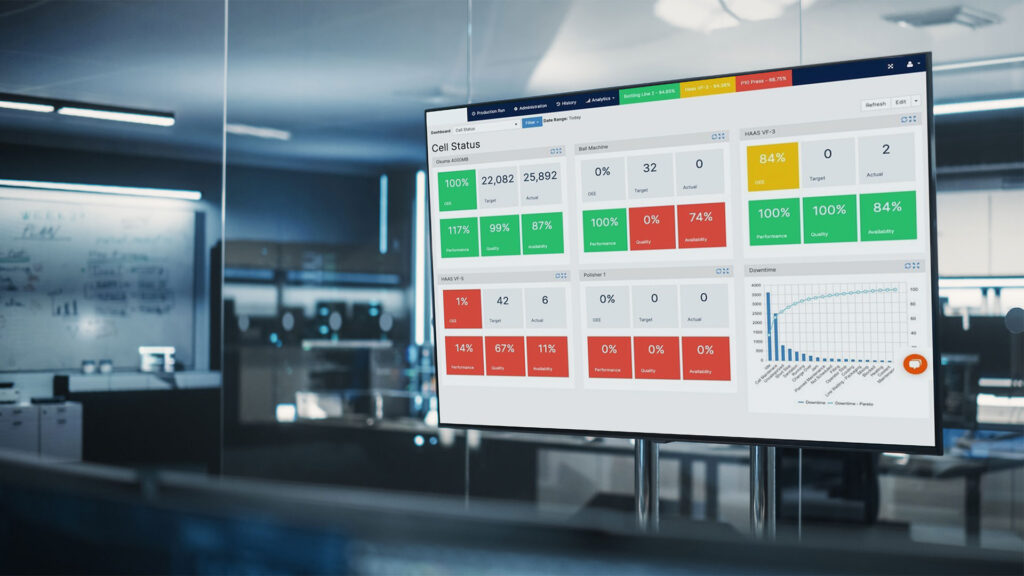
Waiting until a weekly status call to find out a production run went off-plan is no longer acceptable. Brands that have real-time visibility into their co-packers’ production floors can detect issues early and intervene before they escalate.
3. Structured Quality Checkpoints
Quality shouldn’t be confirmed at the point of receiving — it should be tracked and documented throughout the production run. Structured QC workflows, digital batch records, and exception alerts make it possible to manage quality proactively rather than reactively.
4. Documented Compliance and Audit Readiness
As regulatory requirements tighten — FSMA 204, customer-driven compliance programs, ESG reporting — brands need their co-packing partners to maintain traceable, retrievable records. Digital documentation practices separate high-performing co-packing relationships from fragile ones.
5. Collaborative Issue Resolution
When problems occur (and they will), the speed and quality of resolution defines the strength of the relationship. Brands and co-packers that have shared systems for logging non-conformances, assigning corrective actions, and tracking resolution move faster and build more trust.
How Software Supports Co-Packing Relationship Management
Purpose-built software changes the dynamic of co-packing relationship management — from reactive to proactive, from fragmented to connected.
Nulogy’s platform supports both sides of the relationship. For co-packers, Nulogy MOS (Manufacturing Operating System) provides real-time production execution, quality management, and customer order visibility. For brands managing their co-packing network, Nulogy Supplier Collaboration provides a structured channel for compliance documentation, self-assessments, audit management, and supplier performance tracking.
Together, these tools transform co-packing relationships from opaque, friction-heavy arrangements into data-driven partnerships with shared visibility and accountability.
Building a Co-Packing Relationship That Scales
As CPG brands grow, the complexity of their co-packing networks grows with them. The brands that manage this complexity best are the ones who invest early in the right systems — not just for efficiency, but for the relationship quality that enables long-term partnerships.
A co-packing partner who can give you real-time order updates, document quality inspections digitally, and maintain audit-ready compliance records isn’t just operationally strong. They’re a brand asset.
Ready to strengthen your co-packing relationships? Contact us or book a demo to see how Nulogy supports collaborative, high-performance co-packing partnerships.