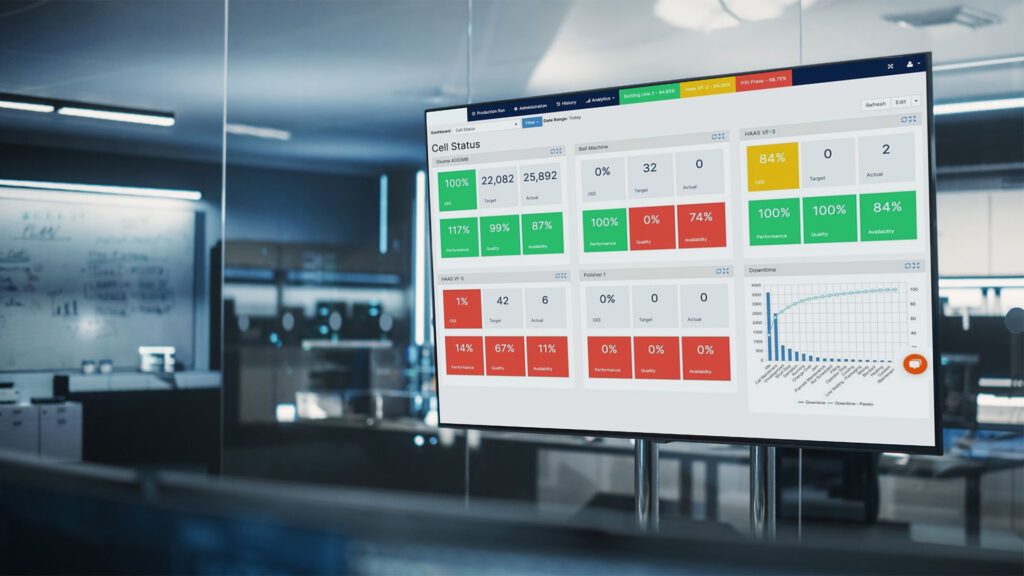
Implementing a production monitoring system in the blow molding industry gives manufacturers the ability to enhance operational efficiency, ensure quality, optimize the supply chain and meet regulatory compliance.
The blow molding industry is a vital sector within the manufacturing landscape, responsible for producing a wide range of hollow plastic products such as bottles, containers, and various industrial parts. This process involves melting plastic and forming it into a parison, which is then inflated inside a mold to create the desired shape. Blow molding is widely used in packaging, automotive, medical, and consumer goods industries due to its efficiency and versatility. As demand for high-quality and sustainable plastic products continues to grow, manufacturers are increasingly turning to advanced production monitoring systems to enhance operational efficiency, ensure product quality, and meet stringent industry standards.
Unlocking Efficiency Through Production Monitoring
Production monitoring in the blow molding industry is a critical aspect of modern manufacturing that ensures the efficiency, quality, and reliability of production processes. This involves the continuous tracking and analysis of various parameters related to machine operations, material flow, and product quality.
Automated Data Collection
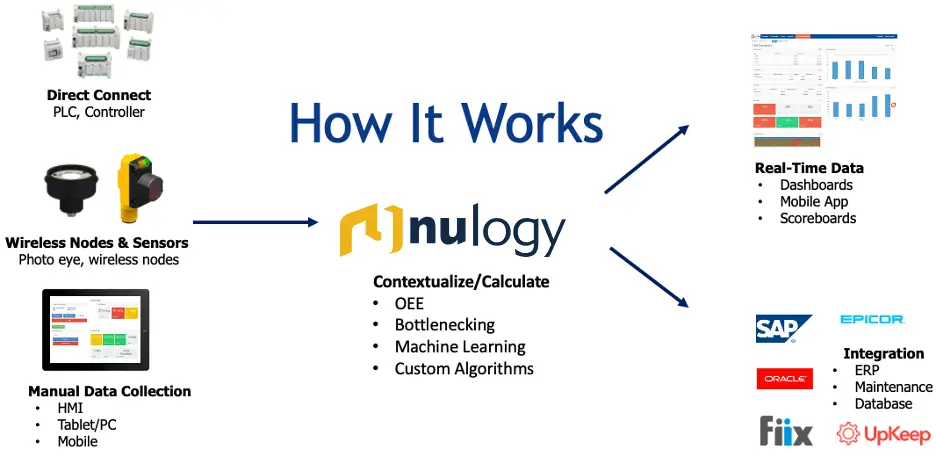
Implementing automated data collection systems in blow molding operations can significantly enhance efficiency. Sensors and IoT devices continuously monitor production parameters, eliminating the need for manual data entry and reducing human error. This streamlines operations and ensures that accurate, real-time data is always available for analysis and decision-making.
Sensors and IoT Devices: These are installed on machinery and production lines to capture real-time data on parameters such as temperature, pressure, speed, and vibration. These devices ensure that all relevant metrics are continuously monitored.
Data Acquisition Software: This software aggregates data from multiple sensors and devices, providing a comprehensive view of the production environment.
Scheduling and Inventory Management
Blow molding is an energy-intensive process, making efficient energy management crucial for cost savings and sustainability. Real-time monitoring of energy usage allows manufacturers to identify high-consumption areas and implement energy-saving measures. This not only reduces operational costs but also supports environmental sustainability goals by lowering the carbon footprint.
Data Processing: The raw data collected from the sensors is processed and analyzed in real-time to provide actionable insights. This involves the use of advanced algorithms and machine learning techniques to detect patterns and anomalies.
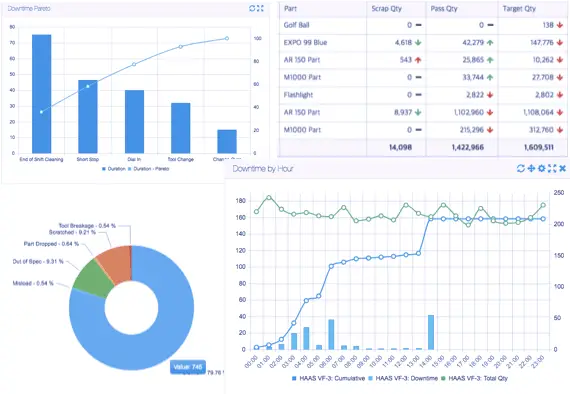
Dashboards and Visualizations: User-friendly dashboards present the analyzed data in an accessible format, allowing operators and managers to quickly interpret the information and make informed decisions.
Energy Management
Production monitoring software helps optimize production scheduling and inventory management by providing real-time insights into production rates, raw material usage, and finished goods inventory. This enables better planning and resource allocation, ensuring that production schedules align with demand and minimizing overproduction or stockouts.
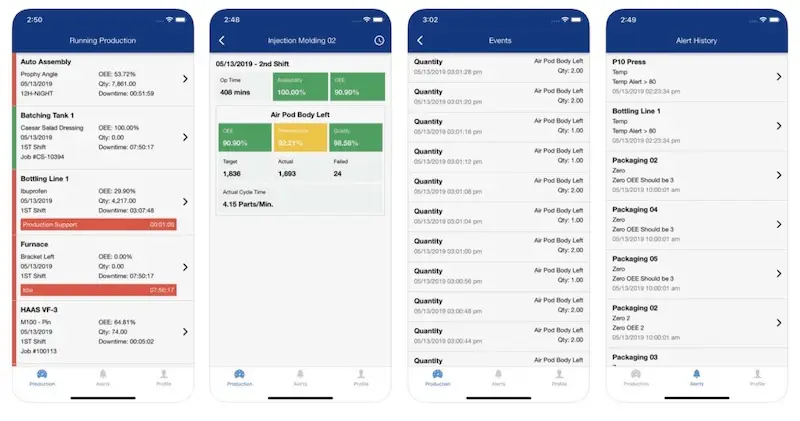
Real-Time Alerts: When the system detects deviations from predefined parameters or potential issues, it generates alerts. These notifications can be sent via mobile alert, email, SMS, or displayed on dashboards to ensure immediate attention.
Predictive Alerts: By analyzing historical data, the system can predict potential failures or maintenance needs, allowing for proactive intervention before issues escalate.
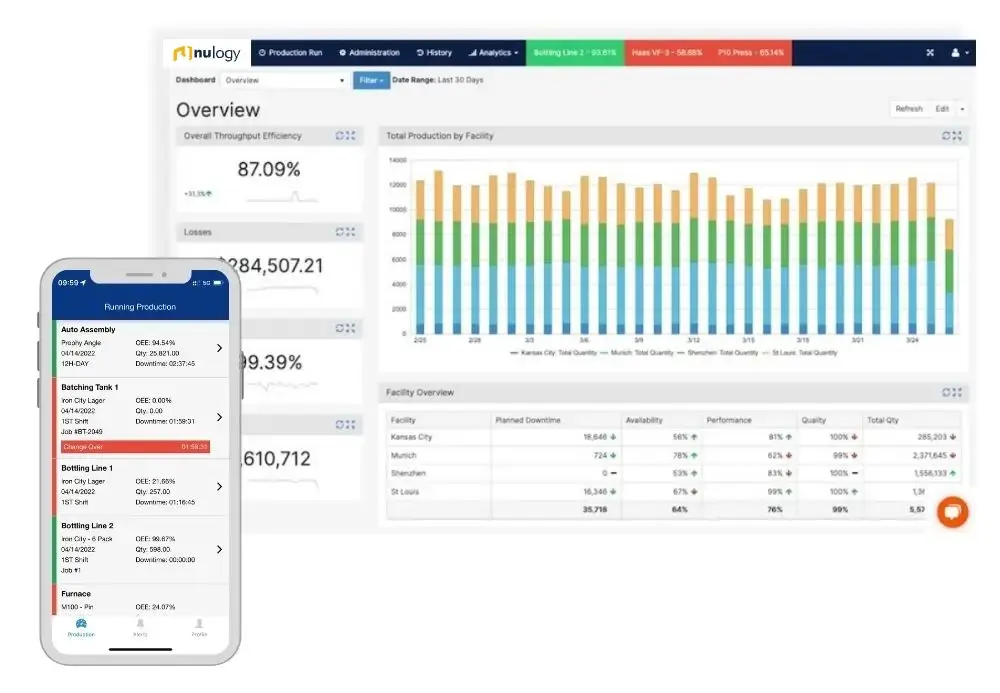
Continuous Improvement and Training
Real-time monitoring facilitates continuous improvement by providing detailed insights into production processes and performance metrics. Manufacturers can use this data to identify areas for improvement, implement best practices, and train employees more effectively. Continuous feedback and data-driven decision-making help create a culture of continuous improvement, driving long-term operational excellence.
Daily Production Meetings: Daily production meetings are crucial to the success of a manufacturer, not only to achieve goals and solve problems but to create an engaging, transparent culture.
- How did we do yesterday?
- What do we have to do today to improve from yesterday?
- Is there anything we need to talk about of importance or that we need to accomplish as a team?”

The Importance of Real-Time Analysis in Blow Molding
Production monitoring in the blow molding industry is essential for optimizing operational efficiency across all stages of the manufacturing process. This includes monitoring equipment performance, production rates, inventory levels, and adherence to quality and safety standards. The overarching goal is to ensure seamless operations, prevent downtime, and maintain the highest levels of product quality.
Quality Assurance
Real-time analysis is crucial for maintaining consistent product quality in the blow molding process. Monitoring parameters such as temperature, pressure, and cycle times in real-time ensures that each product meets the required specifications. Immediate detection of deviations allows for quick adjustments, minimizing defects and reducing scrap rates.
Process Optimization
Data analysis enables manufacturers to optimize their blow molding processes by identifying inefficiencies and bottlenecks. By continuously monitoring production metrics, manufacturers can fine-tune machine settings and process parameters to improve cycle times, reduce energy consumption, and increase overall productivity.
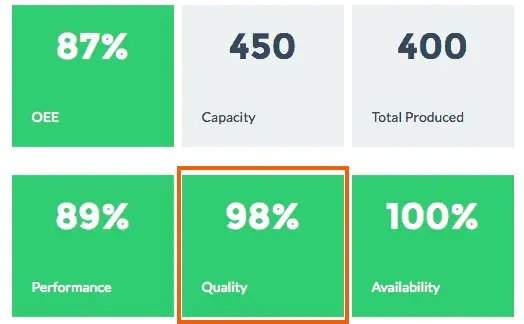
Preventive Maintenance
Real-time monitoring helps in predicting equipment failures and scheduling preventive maintenance. By analyzing data from sensors and machines, manufacturers can identify wear and tear patterns, preventing unexpected breakdowns and costly downtime. This proactive approach extends equipment lifespan and ensures smooth, uninterrupted production.
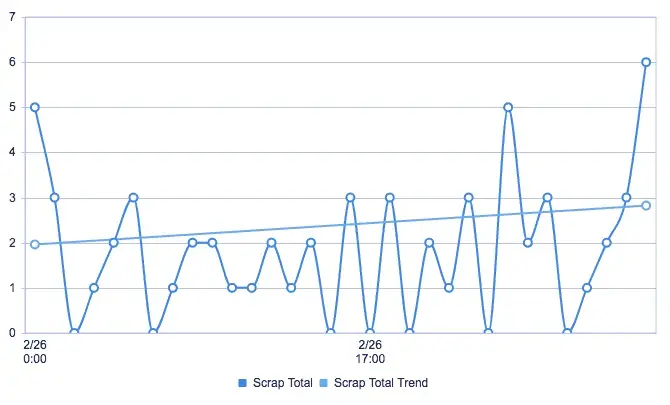
Regulatory Compliance
The blow molding industry is subject to strict regulatory standards, particularly in the packaging and medical sectors. Real-time monitoring provides accurate and up-to-date records of production processes, ensuring compliance with industry regulations. This traceability is essential for audits, certifications, and maintaining customer trust.
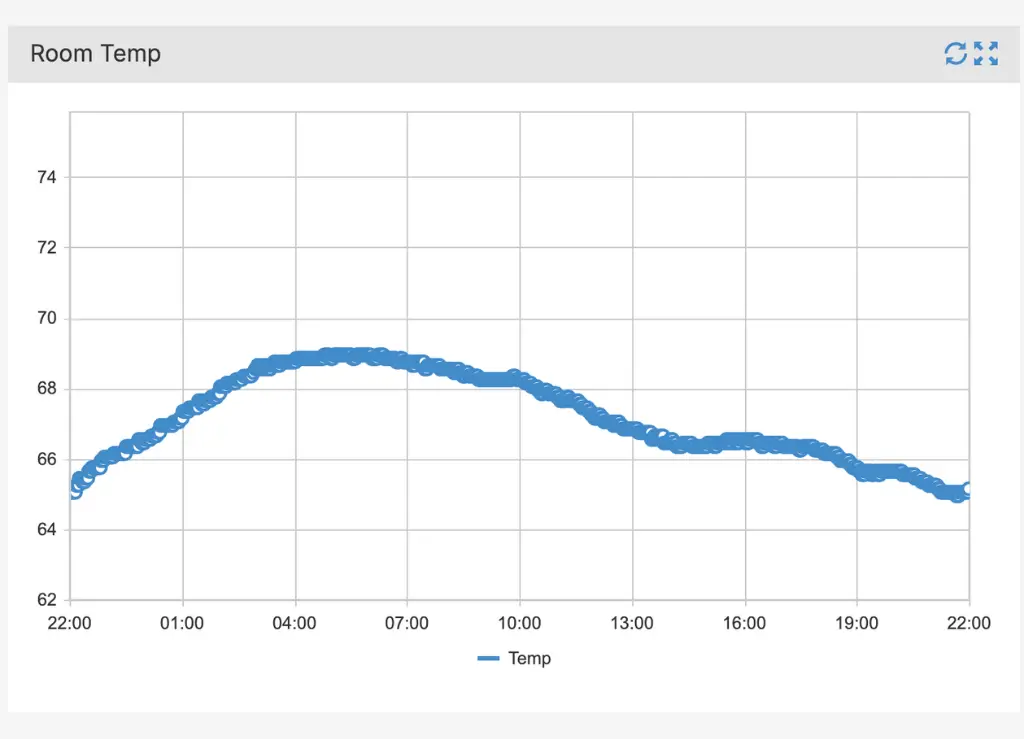
Better Decision Making
Access to real-time data and comprehensive analytics empowers managers to make informed decisions. This includes optimizing production schedules, improving resource allocation, and implementing process improvements.
Implementing Production Monitoring in Blow Molding
To successfully implement production monitoring in the blow molding industry, manufacturers should follow these steps:
Assess Needs and Objectives
Identify the key metrics and processes that need to be monitored. Define the objectives of the monitoring system, such as improving quality, increasing efficiency, or reducing costs.
Select the Right Technology
Choose appropriate sensors, IoT devices, and data acquisition systems that meet the specific requirements of the blow molding processes. Ensure that the selected technology can seamlessly integrate with existing systems.
Develop a Data Strategy
Establish a robust data management strategy that includes data collection, storage, processing, and analysis. Ensure that data security and privacy are maintained.
Train Staff and Foster a Data-Driven Culture
Provide training to operators and managers on how to use the monitoring systems and interpret the data. Encourage a culture of continuous improvement based on data-driven insights.
Continuously Evaluate and Improve
Regularly review the performance of the monitoring system and make necessary adjustments. Use the insights gained to implement process improvements and optimize operations.
Unlocking Efficiency Through Production Monitoring
In the blow molding industry, the integration of production monitoring systems is essential for maintaining high standards of quality, efficiency, and competitiveness. Real-time data analysis provides the insights needed to optimize production processes, reduce waste, and improve overall performance. By leveraging advanced monitoring technologies, manufacturers can unlock significant efficiencies, enhance product quality, and ensure timely delivery to meet the demands of their customers. Embracing production monitoring in metal forming is a strategic move that drives continuous improvement and sustained growth in this dynamic industry.
Blow Molder Increases Accuracy of Performance and Cycle Times By Automating Data Collection
All activities plus reporting are in Nulogy Smart Factory – downtime, planned changeovers, PM maintenance, unplanned activities, yield calculations, overall OEE, cycle times, all of it.