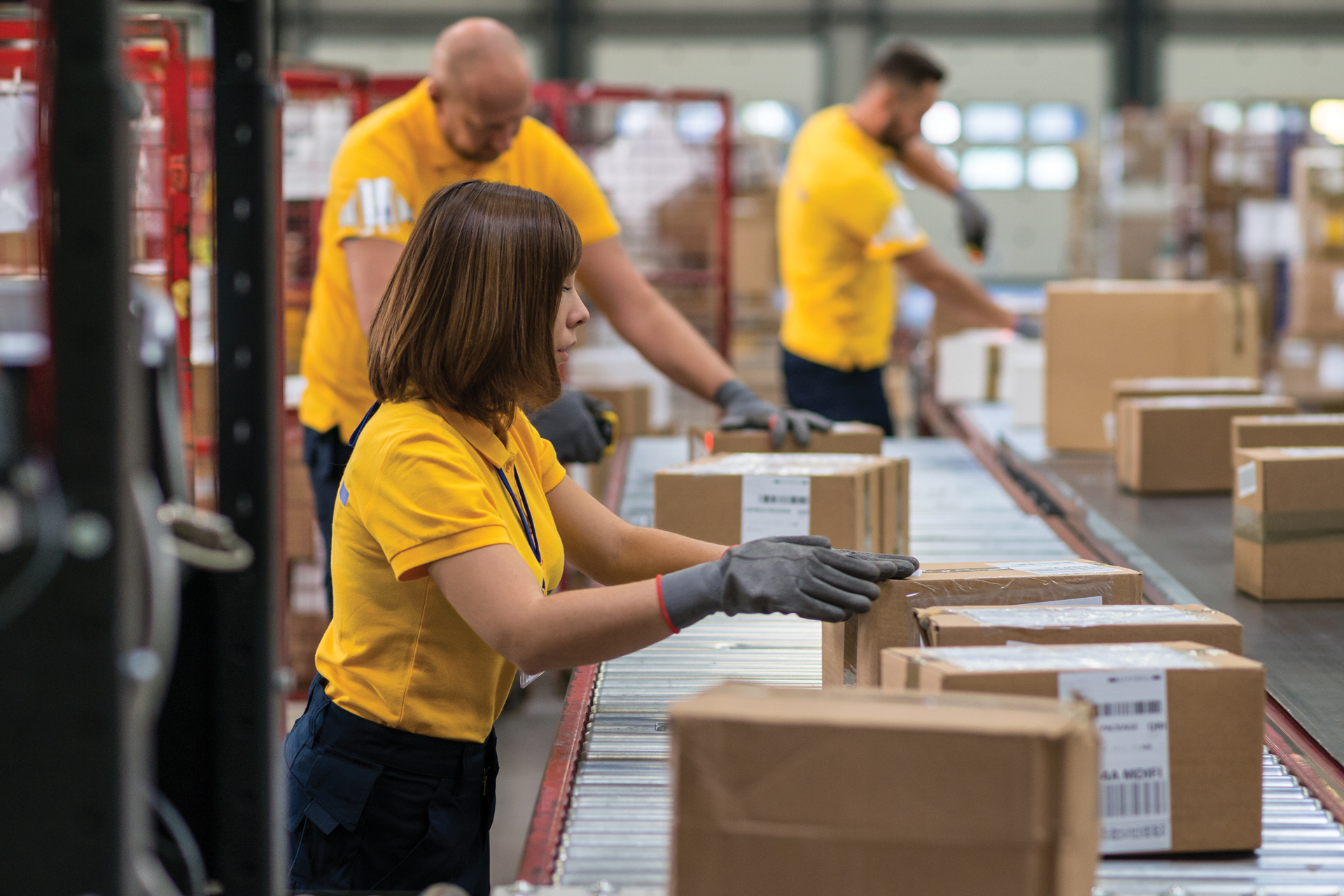
Contract packaging is when a brand hires another company, a contract packager, to package its products: filling, labeling, kitting, shrink-wrapping, building displays, and packing them for shipment. The brand owns the product and the customer. The contract packager owns the lines, the labor and the schedule that gets packed product out the door on time. It’s also called contract packing or co-packing.
Contract packaging meaning
Contract packaging, often referred to as co-packing or contract packing, involves outsourcing the packaging process to a third-party provider. This arrangement allows companies such as FMCG brands to focus on their core competencies, such as product development, innovation, and marketing, while leaving the intricacies of packaging to specialized experts.
Contract packagers can handle various tasks, including filling, labeling, and assembling products, tailored to the specific needs of their clients. By collaborating with these experts, businesses can not only enhance their operational efficiency but also tap into innovative packaging solutions that may not be feasible in-house.
Contract packaging services
The scope of co-packing is vast, encompassing a wide array of industries, including food and beverage, pharmaceuticals, cosmetics, and consumer goods.
Most contract packagers offer some mix of:
- filling and sealing (liquids, powders, solids)
- labeling and relabeling
- kitting and variety packs
- display building, including shipper and pallet displays
- shrink sleeving and bundling
- rework, such as repacking or replacing labels
- storage and fulfillment
Each sector has unique requirements, and contract packagers are equipped to meet these demands through specialized machinery and expertise. For instance, in the food and beverage industry, packagers must adhere to stringent safety and hygiene standards, while the pharmaceutical sector requires compliance with regulations that ensure product integrity and patient safety.
By leveraging the capabilities of a contract packager, businesses can ensure that their products are packaged efficiently and in compliance with industry regulations, ultimately enhancing brand reputation and consumer trust.
Primary, secondary and tertiary packaging
Packaging comes in three layers. Primary packaging touches the product: the bottle, pouch or blister. Secondary packaging groups units for sale or display: the carton, multipack or display tray. Tertiary packaging protects shipments in transit: cases, corrugate, stretch wrap and pallets. Contract packagers can work at any layer, and many handle secondary packaging for brands that make the product in-house.
Contract packaging can take many forms, depending on the nature of the product and the specific needs of the client. Common types include:
- Primary Packaging: Involves the packaging that directly contains the product, such as bottles, jars, or pouches.
- Secondary Packaging: Refers to the outer packaging that groups primary packages together, such as cartons or shrink wrap.
- Tertiary Packaging: Used for bulk handling and storage, often involving pallets and shipping containers.
Understanding the different types of packaging is crucial for businesses looking to optimize their supply chain and effectively meet customer expectations. Additionally, the choice of packaging can significantly impact product shelf life, branding, and consumer appeal.
For example, eco-friendly packaging options are becoming increasingly popular as consumers demand sustainable practices from brands. By selecting the right type of co-packing, companies can not only enhance their operational efficiency but also align their products with market trends and consumer preferences, ultimately driving sales and customer loyalty.
Contract packaging vs contract manufacturing
A contract packager packages a product the brand has already made. A contract manufacturer makes the product itself. Many companies do both, which is why you’ll see ‘contract manufacturing and packaging’ on the same sign. The operating problem is the same either way: materials, output and cost have to stay tied to the right customer’s order.
Contract packing vs private label
With contract packing, the brand owns the formula or product and pays the packager for the work. With private label, the manufacturer owns the formula and a retailer or brand sells it under its own label. A brand that wants control of its recipe uses a contract packer or manufacturer. A retailer that wants a store brand fast often goes private label.
Benefits of using a contract packager
Adopting contract packaging can yield numerous advantages for businesses, making it a strategic choice for many brands. Here are some of the key benefits:
Cost efficiency
One of the most compelling reasons to consider co-packing is the potential for cost savings. By outsourcing packaging operations, companies can avoid the significant capital investment required for packaging equipment and facilities. Contract packagers often have established processes and economies of scale that can lead to lower overall costs.
Additionally, businesses can reduce labor costs associated with hiring and training staff for packaging tasks. This allows companies to allocate resources more effectively, focusing on areas that drive growth and innovation. Moreover, by leveraging the expertise of contract packagers, companies can minimize waste and optimize material usage, further enhancing their cost efficiency.
Expertise and quality assurance
Contract packagers bring specialized knowledge and experience to the table, ensuring that products are packaged to the highest standards. With a deep understanding of industry regulations and best practices, these professionals can navigate the complexities of packaging compliance, reducing the risk of costly errors.
Furthermore, many contract packaging companies invest in state-of-the-art technology and equipment–such as contract packaging software–which can enhance the quality and consistency of packaging services. This commitment to order fulfillment accuracy translates to improved customer satisfaction and brand loyalty. Additionally, the ability to conduct thorough quality checks before products reach the market helps mitigate risks associated with product recalls and enhances the overall reputation of the brand.
Flexibility and scale
In today’s fast-paced market, flexibility is paramount. Contract packaging offers businesses the ability to scale operations up or down based on demand. Whether launching a new product line or responding to seasonal fluctuations, contract packagers can adjust their services accordingly.
This adaptability allows companies to remain agile and responsive to market changes, ensuring they can meet customer needs without the burden of excess inventory or under-utilized resources. Additionally, contract packaging can facilitate quicker time-to-market for new products, as businesses can tap into the existing infrastructure and expertise of their packaging partners. This means that companies can experiment with new designs and formats without the long lead times typically associated with in-house packaging development.
How to choose a contract packager
While the benefits of contract packaging are clear, successful implementation requires careful planning and consideration. Here are some best practices to ensure a smooth transition to contract packaging:
Questions to ask a contract packager
Before you sign, ask:
- Which certifications do your sites hold for my category (for example SQF or BRCGS for food)?
- How much line capacity is open in my peak season?
- If I ask for a lot trace, how fast do I get it?
- Can I see my orders, inventory and output without asking for a report?
- How do you account for my materials, yield loss and scrap on the invoice?
- Experience: Look for a partner with extensive experience in packaging products similar to yours.
- Capabilities: Ensure the contract packager has the necessary equipment, technology, and software to meet your specific packaging needs.
- Reputation: Seek references and reviews from other clients to gauge the reliability and quality of the potential partner.
A well-chosen partner can significantly enhance the efficiency and effectiveness of your packaging operations. Additionally, consider the geographical location of your partner, as proximity can influence shipping costs and lead times. A partner located closer to your distribution centers may offer logistical advantages that can further streamline your operations.
Communication with the brand
Establishing clear lines of communication is essential for a successful partnership. Both parties should engage in open dialogue to discuss expectations, timelines, and any potential challenges. Regular meetings and updates can help ensure that everyone is aligned and working towards common goals.
Collaboration is also key. Involve your contract packager in the early stages of product development to leverage their expertise in packaging design and materials. This proactive approach can lead to innovative solutions that enhance product appeal and functionality. Furthermore, fostering a culture of transparency allows for quicker resolution of issues and encourages a sense of shared ownership in the project, which can significantly boost morale and productivity on both sides.
The packager’s systems
Contract packaging is a complex, dynamic business, in which orders can change multiple times a day, exposing risks for miscommunications, delays, inventory shortages, and more. It is critical to choose a contract packaging partner that runs its operations on a contract packaging software system that is purpose-built to effectively manage their ever-changing schedules, production statuses and workflows.
What a contract packager has to run well
A contract packager’s margin lives in the details: changeovers between customers’ jobs, materials that belong to different brands on the same floor, and an invoice that has to match what was really used. Run that on spreadsheets and the answers come late.
Prism eLogistics, a UK co-packer and 3PL running Nulogy Shop Floor, cut recall reporting from 9 hours to 20 minutes. “I did a recall last week. It took 20 minutes, and about five of those were making a cup of tea,” says Tom Kennedy, Business Development Manager (read the Prism story). See how contract packaging software handles multi-customer production.
Contract packaging trends
The contract packaging industry is continually evolving, driven by advancements in technology and changing consumer preferences. Staying informed about emerging trends can help businesses adapt and thrive in this dynamic environment.
Sustainability initiatives
As consumers become increasingly environmentally conscious, sustainability has emerged as a critical focus for businesses across all sectors. Contract packaging companies are responding by adopting eco-friendly practices, such as using recyclable materials and implementing waste reduction strategies.
Companies looking to enhance their sustainability efforts should collaborate with contract packagers who share their commitment to environmental responsibility. This alignment can strengthen brand reputation and appeal to a growing segment of eco-conscious consumers.
Technological innovations
AI, automation, and data analytics are significantly influencing the packaging industry, and it is critical that successful contract packagers are leveraging these advancements–ideally through a system that is purpose-built for complex contract packaging workflows–to improve efficiency and enhance the overall packaging process.
Businesses should stay abreast of technological developments and consider how they can integrate these innovations into their packaging strategies. Embracing technology can lead to increased competitiveness and improved customer satisfaction.
Contract packaging presents a compelling opportunity for brand manufacturers seeking to streamline operations, reduce costs, and enhance product quality. By understanding the benefits and best practices associated with this approach, companies can make informed decisions that drive growth and success.
As the industry continues to evolve, staying attuned to emerging trends and maintaining strong partnerships with contract packagers will be essential for long-term success. With the right strategies in place, businesses can leverage contract packaging to gain a competitive edge in an increasingly crowded marketplace.
Software for contract packagers
Nulogy Shop Floor is contract manufacturing software built for contract packagers and contract manufacturers. It schedules every customer’s jobs on your lines, tracks their materials by lot, and keeps the cost of each order visible while it runs, so the invoice matches the floor.
See Shop Floor on your own orders
Bring a real job and we'll show you how it's scheduled, run and costed.