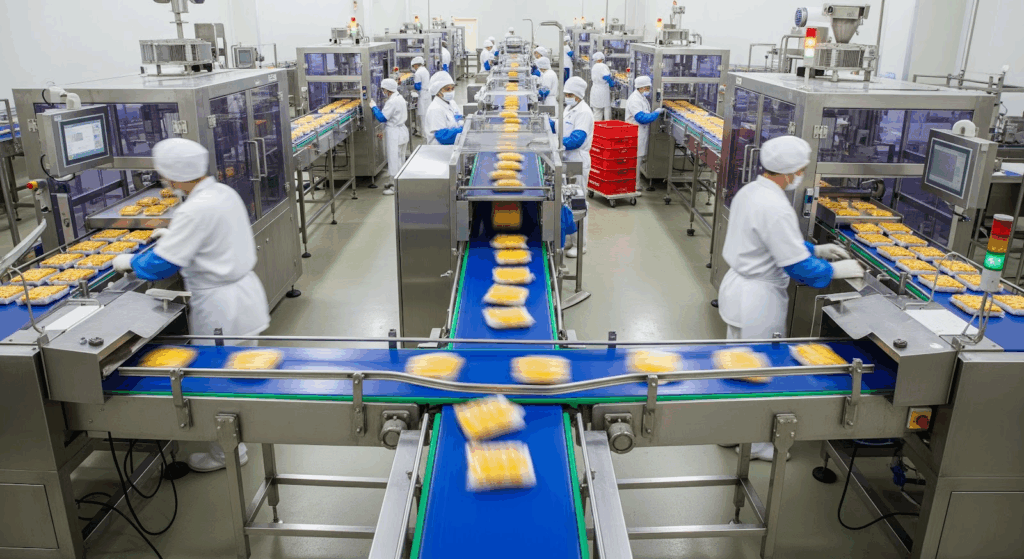

Food quality management is more than just a checklist. It’s the backbone of consumer safety, brand reputation, and regulatory compliance. When a single batch fails to meet standards, the impacts can be costly and damaging. Fortunately, software solutions are transforming how food producers maintain and elevate quality. From automating inspections to leveraging data analytics, technology is helping businesses stay ahead of issues before they escalate.
Streamlining Quality Control Processes
Quality control in the food industry involves numerous steps, from raw material inspection to final product verification. Traditionally, these processes have been manual, time-consuming, and prone to human error. Software streamlines these workflows, making quality control faster, more accurate, and easier to manage.
By digitizing quality control, companies reduce paperwork and improve data accuracy. This shift not only saves time but also enhances traceability by pinpointing exactly where issues arise in the production line. Moreover, the integration of digital tools fosters a culture of accountability. This transparency not only bolsters internal processes but also builds trust with consumers.
Automating Inspection Protocols and Documentation
Manual inspections are labor-intensive and often inconsistent. Software automates inspection protocols by standardizing checklists and capturing data in real-time. This ensures that every inspection follows the same rigorous criteria, eliminating variability caused by human factors. Additionally, automation can fuel advanced analytics, which can identify trends over time, helping organizations to proactively address potential quality issues.
Automated documentation means inspection results are logged instantly, reducing delays and errors associated with manual entry. This immediate recording supports quicker decision-making, enabling quality teams to address deviations promptly before they affect larger batches. Furthermore, with the ability to generate comprehensive reports at the click of a button, management can easily review performance metrics and compliance with industry standards.
Real-time Monitoring and Alert Systems
Real-time monitoring tools provide continuous oversight of critical control points in the production process. Sensors and IoT devices feed data directly into software platforms, tracking temperature, humidity, pH levels, and other vital parameters. This level of monitoring not only enhances regulatory compliance but also allows for immediate adjustments to be made, ensuring safe and optimal production.
When measurements stray outside acceptable ranges, alert systems notify operators instantly. This proactive approach minimizes the risk of compromised products reaching consumers and reduces waste by catching problems early. Real-time insights also empower teams to fine-tune processes dynamically, maintaining consistent quality throughout production runs. Additionally, the data collected can be leveraged for predictive maintenance of equipment, reducing downtime and further enhancing operational efficiency.
By harnessing the power of technology, food manufacturers can not only safeguard their products but also drive innovation in their quality control practices, setting new benchmarks for excellence in the industry.
Enhancing Traceability and Compliance
Traceability is a cornerstone of food safety. Knowing the origin and journey of every ingredient helps companies respond swiftly to contamination events and recalls. Software solutions enhance traceability by linking data across the entire supply chain, from farm to fork. This level of insight not only aids in crisis management but also builds consumer trust, as customers are increasingly concerned about the safety and quality of the food they consume. By providing access to detailed information about sourcing and production practices, companies can reassure consumers that they prioritize safety and transparency.
Compliance with food safety regulations is complex and ever-changing. Software simplifies this challenge by organizing documentation, tracking standards adherence, and preparing companies for audits with minimal disruption. Moreover, these systems can offer predictive analytics that help businesses anticipate regulatory changes, allowing them to adapt proactively rather than reactively. This forward-thinking approach not only minimizes the risk of penalties but also positions companies as leaders in food safety compliance.
End-to-End Supply Chain Visibility
Software platforms integrate data from suppliers, manufacturers, distributors, and retailers, creating a comprehensive view of the supply chain. This visibility helps identify weak points where quality might degrade or contamination could occur. By utilizing real-time monitoring tools, companies can detect anomalies in the supply chain, such as temperature fluctuations during transport, which could compromise product integrity. This proactive monitoring is crucial for maintaining high standards of quality and safety throughout the product lifecycle.
With end-to-end traceability, companies can quickly isolate affected batches during a recall, reducing scope and protecting consumers. It also fosters stronger supplier relationships by promoting transparency and accountability throughout the sourcing process. When suppliers are aware that their practices are being monitored, they are more likely to adhere to stringent quality standards, creating a culture of excellence that benefits the entire supply chain. Enhanced collaboration and communication between partners can lead to innovations in safety practices and efficiency improvements that further bolster overall product quality.
Simplified Regulatory Compliance and Audit Preparation
Food safety regulations vary by region and product type, making compliance a moving target. Software centralizes compliance requirements and automatically updates them as standards evolve. This reduces the risk of non-compliance due to outdated information.
Additionally, many software solutions offer training modules that educate employees about current regulations and best practices, ensuring that everyone in the organization is aligned with compliance goals. This ongoing education fosters a culture of safety and accountability, empowering employees to take ownership of their roles in maintaining food safety.
Audit preparation becomes less daunting with digital records organized and accessible at any time. Automated reports and dashboards provide auditors with clear evidence of adherence to protocols, speeding up the process and minimizing operational disruptions. Furthermore, these digital tools can facilitate mock audits, allowing companies to identify potential compliance gaps before official inspections occur. By proactively addressing these areas, businesses can enhance their readiness and confidence during actual audits, ultimately leading to improved outcomes and a stronger reputation in the marketplace.
Leveraging Data Analytics for Continuous Improvement
Data is one of the most valuable assets in food quality management. Software tools collect vast amounts of information that, when analyzed effectively, reveal insights to improve processes and prevent future issues.
Analytics enable companies to move from reactive problem-solving to proactive quality enhancement, driving better outcomes and reducing costs over time. By harnessing the power of data, organizations can streamline operations, enhance product consistency, and ultimately deliver higher quality products to consumers, fostering brand loyalty and trust.
Identifying Patterns and Predicting Quality Issues
Advanced analytics sift through production data to identify trends and recurring problems that might not be obvious through manual review. For example, a subtle rise in temperature fluctuations during a specific shift could correlate with increased spoilage rates.
Predictive models use historical data to forecast potential quality failures, allowing teams to intervene before defects occur. This foresight helps optimize maintenance schedules, adjust ingredient sourcing, and refine processing parameters to maintain high standards consistently. Moreover, by integrating machine learning algorithms, companies can continuously improve their predictive capabilities, adapting to new data and evolving production conditions, thus enhancing their resilience against unforeseen challenges.
Performance Metrics and Customizable Reporting
Software platforms offer customizable dashboards that track key performance indicators (KPIs) relevant to food quality, such as defect rates, inspection pass percentages, and supplier performance scores. These metrics provide a clear picture of where the operation stands and where improvements are needed.
Tailored reports can be generated for different stakeholders—from plant managers to regulatory bodies—ensuring everyone has the information they need in a format that makes sense. This transparency supports informed decision-making and fosters a culture of continuous improvement. Furthermore, by utilizing real-time data visualization tools, teams can quickly spot anomalies and trends, facilitating immediate corrective actions and promoting a proactive approach to quality management. The ability to share these insights across departments also encourages collaboration, driving a unified effort toward achieving excellence in food safety and quality standards.
Enhance Your Food Quality Management with Nulogy
Ready to take your food quality management to the next level? Nulogy’s manufacturing operating system is designed to elevate your operations, ensuring efficiency, accuracy, and productivity are at the heart of your business. With our tailored solutions, you can harness the power of software to maintain impeccable food standards and stay competitive.
Contact us or request a demo today to learn how we can help your business become faster, smarter, and more profitable.