
Choosing the best cloud-based manufacturing software can feel like navigating a complex maze. With so many options promising efficiency, scalability, and real-time insights, the decision isn’t straightforward. Yet, the right solution can transform operations, reduce costs, and boost competitiveness. This guide breaks down what cloud manufacturing software truly offers, highlights top contenders for 2025, and helps you pinpoint the ideal fit for your business needs.
Understanding Cloud-Based Manufacturing Software
Cloud-based manufacturing software (such as Manufacturing Operating Systems) is designed to digitally manage production processes, suppliers, inventory, and other manufacturing operations. Unlike traditional on-premises systems, cloud-based solutions offer accessibility from anywhere, real-time data updates, and seamless integration with other digital tools.
These platforms centralize critical manufacturing data, enabling teams to collaborate more effectively and make informed decisions quickly. The cloud infrastructure also means reduced IT overhead since the software provider handles maintenance, updates, and security.
Key Features and Benefits of Cloud Manufacturing Solutions
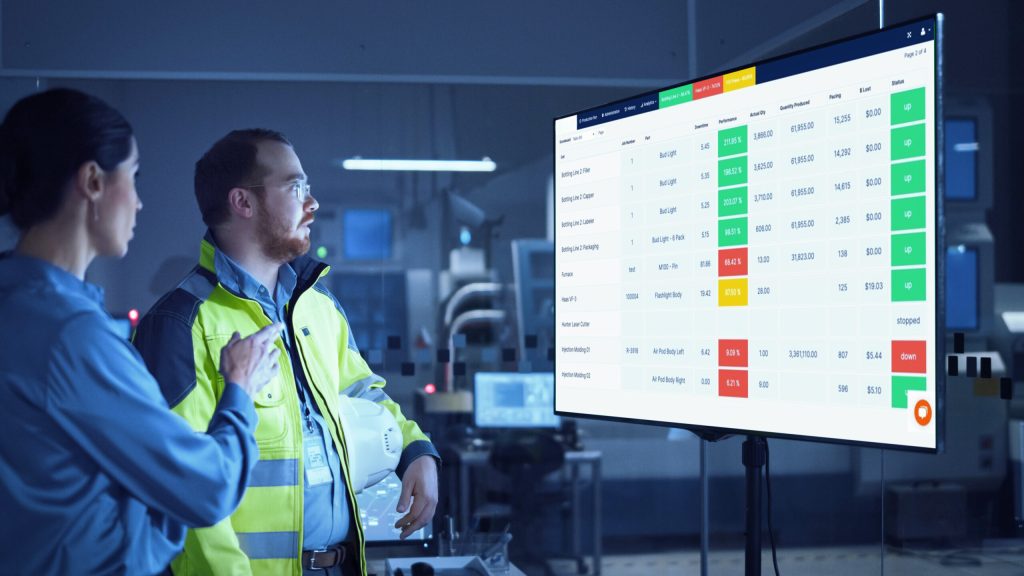
One of the standout features is real-time visibility into production workflows. Managers can track order status, machine performance, and inventory levels instantly, which helps in identifying bottlenecks before they escalate. This transparency leads to improved operational efficiency and faster response times.
Cloud manufacturing software often includes modules for quality management, supplier management, and materials planning. These integrated tools streamline processes and reduce manual errors. Additionally, scalability is a major benefit. As your business grows, cloud solutions can easily accommodate increased data loads and user numbers without requiring costly hardware upgrades.
Security is another critical advantage. Leading providers invest heavily in cybersecurity measures, often exceeding what individual companies can afford. Data backups, encryption, and compliance with industry standards protect sensitive manufacturing information. Furthermore, many cloud solutions offer multi-factor authentication and user access controls, ensuring that only authorized personnel can access critical data, thereby enhancing overall security.
How Cloud Manufacturing Differs from Traditional ERP Systems
Traditional ERP systems typically require on-premises installation, significant upfront investment, and ongoing IT support. They can be rigid and challenging to customize, which slows down adaptation to market changes. Cloud manufacturing software, in contrast, offers flexibility and faster deployment.
While ERP systems cover a broad range of business functions, cloud-based manufacturing platforms such as MOS software focus specifically on production and operational workflows. This specialization means they often provide deeper manufacturing-specific features and analytics tailored to shop floor needs. For instance, advanced analytics can predict maintenance needs for machinery, reducing downtime and enhancing productivity.
Moreover, cloud-based solutions enable continuous updates and improvements without disrupting daily operations. Users benefit from new features and security patches automatically, ensuring the software stays current with industry trends and technological advances. The ability to integrate with emerging technologies, such as IoT devices and AI-driven analytics, further enhances the capabilities of cloud manufacturing software, allowing businesses to leverage data in innovative ways to optimize their operations and drive growth.
Top Cloud Manufacturing Software Solutions in 2025
The market for cloud manufacturing software has matured significantly, with several strong contenders catering to different business sizes and industries. Here’s a look at some of the top solutions gaining traction in 2025.
Enterprise-Level Solutions for Large Manufacturers
For large-scale manufacturers, software like Plex Systems and Oracle NetSuite Manufacturing Cloud are commonly implemented in manufacturing environments. Their cloud-native architecture supports global operations with multi-site coordination and regulatory compliance features.
Oracle NetSuite Manufacturing Cloud integrates manufacturing with finance, CRM, and e-commerce, providing a unified platform for enterprise-wide data management. Its advanced analytics and AI-driven insights help large manufacturers optimize production schedules and reduce downtime.
Affordable Options for Small to Medium Businesses
Small and medium-sized manufacturers often require solutions that balance functionality with cost-effectiveness. Fishbowl Manufacturing offers inventory management, order tracking, and work order automation at a competitive price point. Its user-friendly interface and integration with QuickBooks make it accessible for businesses without dedicated IT teams.
Katana MRP is tailored to smaller manufacturers and makers. It provides real-time inventory control, production planning, and sales order management through a straightforward cloud platform. Katana’s ability to integrate with e-commerce platforms like Shopify and WooCommerce adds value for manufacturers selling direct to consumers.
Manufacturing Operating Systems for all Manufacturer Types
The Manufacturing Operating System (MOS) is a cloud-based software platform that offers the best of both worlds to manufacturers of all sizes. The MOS is specifically built to solve the digital disconnect between systems in a manufacturing business.
By supporting every stage of the manufacturing process, and sharing real-time data on a single platform, the MOS builds off your existing solutions to support smarter and more efficient manufacturing, co-packing, and distribution.
In addition, the Manufacturing Operating System is anchored by a Unifying Core of supporting features and services that drive real-time data, advanced analytics, and AI-driven insights for manufacturers across every site, process, and partner.
And, unlike other vendors that claim to have an end-to-end platform, the MOS provides a modular, purpose-built system that enhances every aspect of the manufacturing process, without needing to rip and replace your existing system or purchase features you don’t need.
Selecting the Right Cloud Manufacturing Software for Your Business
Finding the best software requires more than just comparing features and prices. Understanding your unique operational needs and long-term goals is crucial to making a sound investment.
Essential Evaluation Criteria and Requirements Assessment
Start by mapping out your core manufacturing processes and identifying pain points. Do you struggle with inventory inaccuracies, production delays, or quality issues? Knowing these will guide you toward solutions that address your specific challenges.
Next, consider integration capabilities. Your manufacturing software should seamlessly connect with existing systems such as accounting, CRM, or supply chain platforms to avoid data silos. Cloud-based APIs and pre-built connectors can simplify this process.
Additionally, it’s wise to assess the software’s ability to support third-party applications that may enhance your operations, such as advanced analytics tools or IoT devices that provide real-time data insights.
Usability is equally important. A steep learning curve can hinder adoption and productivity. Look for software with intuitive interfaces, comprehensive training resources, and responsive customer support. Additionally, evaluate scalability—ensure the software can grow with your business without requiring a complete overhaul. As your business evolves, the software should adapt to new manufacturing techniques, regulatory requirements, or market demands, allowing you to remain competitive.
Implementation Strategies and ROI Considerations
Successful implementation hinges on thorough planning and stakeholder involvement. Engage cross-functional teams early to gather input and build buy-in. Define clear milestones and allocate resources for training and data migration. Consider establishing a pilot program to test the software in a controlled environment before a full rollout. This can provide valuable insights and allow for adjustments based on real-world feedback.
Measuring return on investment (ROI) involves tracking improvements in key performance indicators such as production cycle time, inventory turnover, and order accuracy. Cloud manufacturing software often reduces IT costs and downtime, contributing to faster ROI realization compared to traditional systems. Furthermore, consider the qualitative benefits, such as improved employee morale and customer satisfaction, which can significantly impact your bottom line over time.
Keep in mind that the transition period may temporarily slow operations as teams adapt. Choosing a vendor with strong implementation support can mitigate these challenges and accelerate benefits. Ongoing support and regular updates from the vendor can also ensure that your software remains aligned with industry standards and technological advancements, further enhancing your operational efficiency.
Ultimately, the best cloud-based manufacturing software aligns with your operational demands, budget, and growth plans. Whether you run a global enterprise or a local job shop, the right platform can unlock new levels of efficiency and agility in your manufacturing processes. By investing the time and resources into a thorough selection process, you position your business to leverage cutting-edge technology that can drive innovation and create a competitive advantage in an ever-evolving market landscape.
Optimize Your Manufacturing Processes with Nulogy
Ready to take your manufacturing operations to the next level? Nulogy’s cloud-based manufacturing operating system is designed to enhance efficiency, accuracy, and overall productivity, giving you the competitive edge you need.
Don’t miss the opportunity to transform your business into a faster, smarter, and more profitable enterprise. Contact us today to start your journey towards operational excellence.