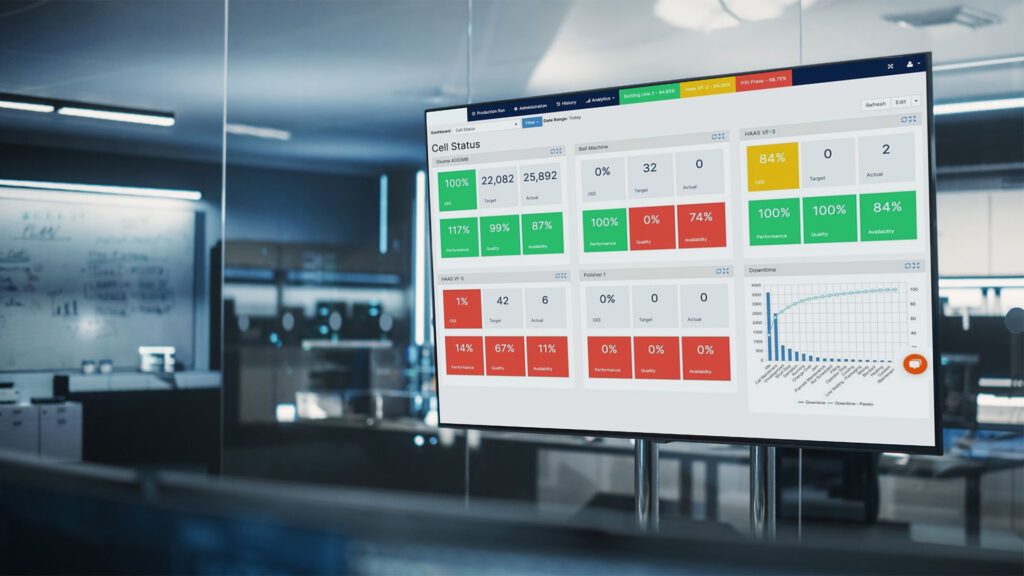
Implementing a production monitoring system in the automotive industry gives manufacturers the ability to enhance operational efficiency, ensure quality, optimize the supply chain and meet regulatory compliance.
Precision, efficiency, and quality are paramount in ensuring smooth operations and maintaining a competitive edge. From assembly lines to supply chain management, production monitoring encompasses various aspects of automotive manufacturing. It provides real-time insights that drive efficiency, improve quality, and enhance overall performance.
Understanding the Role of Production Monitoring in Automotive
Production monitoring in the automotive industry is essential for optimizing operational efficiency across all stages of the manufacturing process. This includes monitoring equipment performance, production rates, inventory levels, and adherence to quality and safety standards. The overarching goal is to ensure seamless operations, prevent downtime, and maintain the highest levels of product quality.
Lean Manufacturing vs. Six Sigma
Lean manufacturing originated from the ideas of Henry Ford and later, the implementation of the Toyota production system. The system developed by Toyota incorporated a set of procedures that reduced the time required for setup and changeovers. In the 1980s, lean manufacturing was widely adopted by countries around the globe, including the United States.
Six Sigma was developed around the same time Lean was introduced by Toyota to the United States. Bill Smith at Motorola designed Six Sigma to measure defects and improve overall quality. The original idea was further developed by the manufacturing conglomerate, GE. Their use of Six Sigma prompted others to follow.
Driving Continuous Improvement
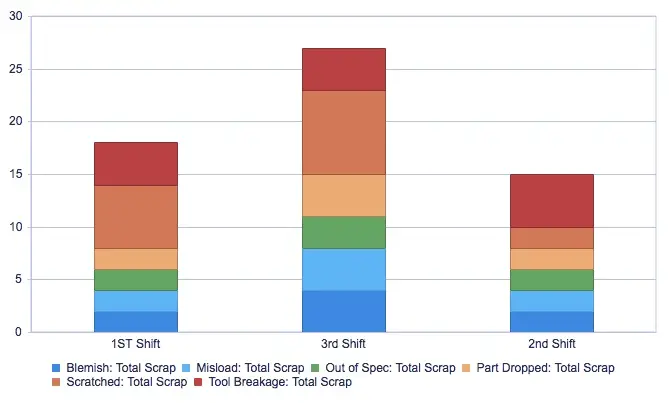
Continuous improvement is ingrained in the culture of automotive manufacturing. Manufacturers constantly seeking ways to enhance processes, reduce waste, and increase efficiency. Production monitoring systems serve as a cornerstone of continuous improvement initiatives, providing actionable insights that drive process optimization and innovation. Real-time data analysis facilitates data-driven decision-making, enabling manufacturers to identify opportunities for improvement, implement corrective actions, and measure the impact of initiatives on key performance metrics.
Benefits of Production Monitoring in the Automotive Industry
Production monitoring in the automotive industry is essential for optimizing operational efficiency across all stages of the manufacturing process. This includes monitoring equipment performance, production rates, inventory levels, and adherence to quality and safety standards. The overarching goal is to ensure seamless operations, prevent downtime, and maintain the highest levels of product quality.
Ensuring Quality Assurance
Quality is non-negotiable in the automotive industry, where even the slightest deviation can have significant implications for safety, performance, and brand reputation. Production monitoring systems enable manufacturers to monitor product quality at every stage of the production process, from raw material inspection to final assembly. Real-time data analysis facilitates proactive quality management, enabling early detection of defects, deviations, or inconsistencies, and ensuring adherence to stringent quality standards.
Meeting Regulatory Compliance
The automotive industry is subject to a myriad of regulatory requirements, ranging from safety standards to environmental regulations. Production monitoring systems play a crucial role in ensuring compliance with these regulations by providing real-time visibility into production processes, materials usage, and environmental impact. Real-time data analysis enables manufacturers to track and report compliance metrics, respond quickly to regulatory changes, and demonstrate adherence to industry standards.
Facilitating Supply Chain Optimization
The automotive supply chain is complex and interconnected, involving numerous suppliers, components, and logistics processes. Production monitoring provides visibility into supply chain dynamics, enabling manufacturers to track inventory levels, monitor supplier performance, and optimize procurement processes. Real-time data analysis helps identify supply chain bottlenecks, mitigate risks, and enhance supplier collaboration, ensuring a seamless flow of materials and components to support production requirements.
Case Studies
Lincoln Manufacturing Saves $100K in Time & Efficiency
Lincoln Manufacturing’s implementation of Nulogy Smart Factory transformed their approach to data acquisition and production monitoring. The real-time insights and significant cost savings achieved through Nulogy Smart Factory enabled them to optimize operations, improve decision-making, and establish effective OEE targets.
Read the case study: Lincoln Manufacturing Saves $100K in Time & Efficiency →
Versatech increased oee 30% with real time visibility
Versatech increased its efficiency with the help of Nulogy Smart Factory’s real-time data and visual dashboard tool. Getting off paper tracking and spreadsheets reduced overtime labor costs and ultimately improved the accuracy of their data.
Read the case study: Versatech increased oee 30% with real time visibility →
The Importance of Real-Time Data Analysis in Automotive Industry
While production monitoring itself is crucial, real-time data analysis elevates its impact to a whole new level. In the dynamic environment of the automotive industry, the ability to analyze data in real-time provides several key advantages.
Immediate Issue Identification
Real-time data analysis allows for the instant identification of issues on the production line. Some examples include a sudden drop in production rates, equipment malfunctions, or deviations from quality standards. With alerts, manufacturers can address problems promptly to minimize the impact on overall operations.
Proactive Decision-Making
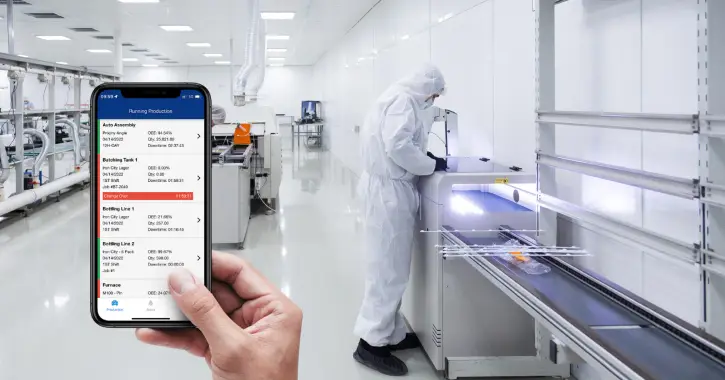
Waiting for periodic reports is a luxury that modern manufacturing cannot afford. Real-time data analysis empowers decision-makers to act proactively. Managers can make informed decisions on the fly, adjusting production schedules, reallocating resources, or implementing corrective measures in real time.
Enhanced Overall Equipment Effectiveness (OEE)
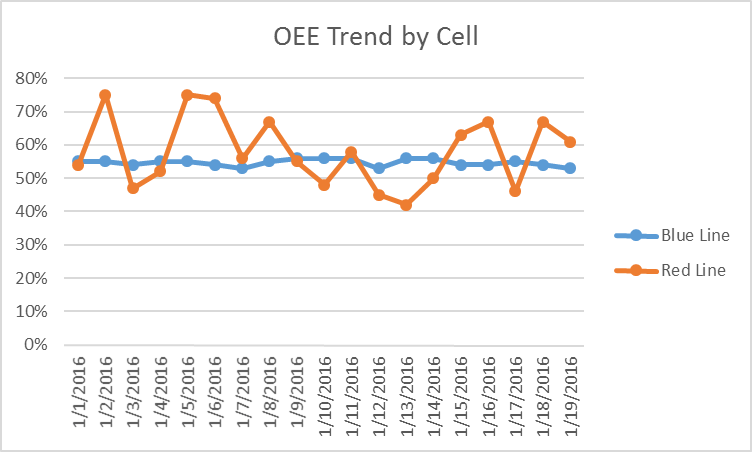
Real-time data analysis is instrumental in maximizing OEE by providing insights into equipment performance and identifying opportunities for improvement. Real-time monitoring enables swift identification of issues, allowing for timely interventions to prevent disruptions and maximize productivity. Production monitoring systems in the automotive industry are essential for optimizing operational efficiency across all stages of the manufacturing process. By tracking key performance indicators (KPIs) such as cycle times, capacity, and downtime, manufacturers can identify inefficiencies, streamline workflows, and minimize production bottlenecks.
Adaptability to Market Demands
Consumer preferences and market demands can change rapidly in the food and beverage industry. Real-time data analysis enables manufacturers to adapt quickly to fluctuations in demand, helping them stay ahead of the competition and meet consumer expectations.
Unlocking Efficiency Through Production Monitoring
Production monitoring is indispensable in the automotive industry, providing manufacturers with real-time insights that drive operational efficiency, ensure quality assurance, optimize the supply chain, drive continuous improvement, and facilitate regulatory compliance. Real-time data analysis is the linchpin of production monitoring, enabling manufacturers to harness the power of data to make informed decisions, identify opportunities for optimization, and stay ahead of the competition in today’s dynamic automotive landscape. By leveraging production monitoring and real-time data analysis, automotive manufacturers can unlock new levels of efficiency, quality, and competitiveness, positioning themselves for success in an ever-evolving industry.
Auto Parts Manufacturer Increased OEE 30% and Eliminated Manual Reporting
It made it much easier to track downtime details and find root causes of problems. This made it much easier for us to see where we needed to focus on repetitive issues and drives improvement activity.