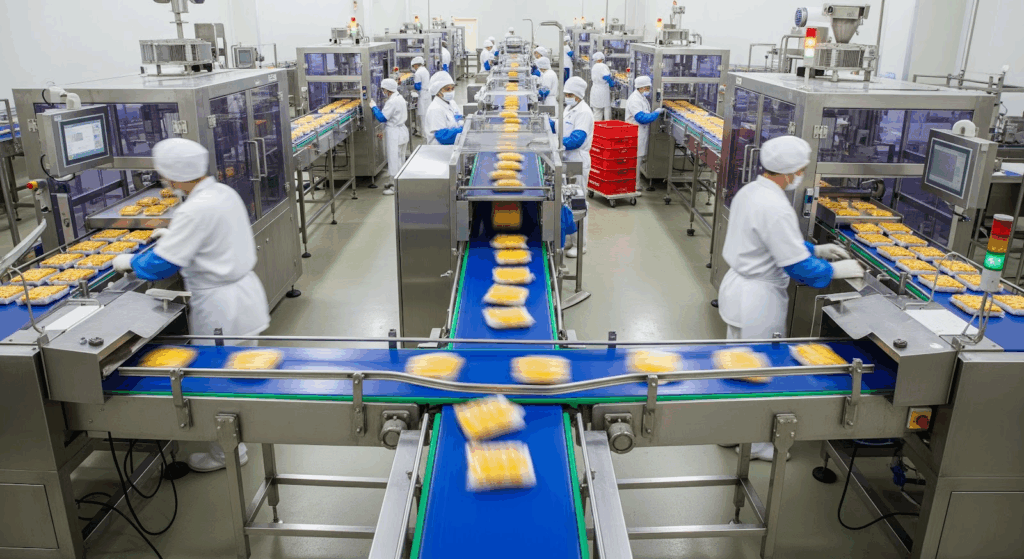

Food Safety and Quality Assurance, or FSQA, is a critical framework within the food industry that ensures products are safe for consumption and meet established quality standards. It’s more than just a set of guidelines; it’s a comprehensive system that integrates safety protocols with quality controls to protect consumers and maintain brand integrity. But what exactly does FSQA encompass, and why has it become indispensable in modern food production and distribution?
Understanding FSQA is essential for anyone involved in food manufacturing, processing, or retail. It touches every stage of the supply chain, from sourcing raw materials to delivering finished products. This article breaks down the meaning of FSQA, explores its core components, traces its historical evolution, and examines the practical elements of implementing an effective FSQA program. Additionally, it highlights the benefits organizations gain and the challenges they face in maintaining these standards.
Understanding FSQA: Food Safety and Quality Assurance
Definition and Core Components of FSQA
FSQA stands for Food Safety and Quality Assurance, a discipline that combines two crucial aspects of food production: ensuring that food products are safe for consumption and that they meet quality expectations. Food safety focuses on preventing contamination, foodborne illnesses, and hazards that could harm consumers. Quality assurance, on the other hand, ensures that products consistently meet defined specifications, such as taste, texture, appearance, and nutritional content.
The core components of FSQA include hazard analysis, control of critical points in the production process, routine testing, documentation, and continuous improvement. These elements work together to create a system that not only reacts to problems but proactively prevents them. For example, Hazard Analysis and Critical Control Points (HACCP) is a foundational methodology within FSQA, identifying potential risks and establishing control measures to mitigate them.
Beyond safety and quality, FSQA also involves traceability, supplier verification, employee training, and compliance with regulatory requirements. Each component plays a role in building consumer trust and ensuring that food products are both safe and enjoyable.
Traceability, for instance, allows companies to track the journey of food products from farm to table, enabling swift action in case of a recall. This transparency not only reassures consumers but also enhances the brand’s reputation, as customers increasingly seek out products from companies that prioritize safety and quality.
Historical Development of FSQA in Industry
The roots of FSQA can be traced back to early food safety laws and quality standards, but the modern concept evolved significantly during the latter half of the 20th century. The introduction of HACCP in the 1960s by NASA to ensure astronaut food safety marked a turning point. This systematic approach soon spread to the food industry, revolutionizing how safety risks were managed.
Throughout the 1980s and 1990s, FSQA frameworks expanded as foodborne illness outbreaks highlighted the need for stricter controls. Regulatory bodies such as the U.S. Food and Drug Administration (FDA) and the European Food Safety Authority (EFSA) began enforcing more rigorous standards. The globalization of food supply chains further accelerated the development of comprehensive FSQA systems to manage risks across borders. As international trade in food products grew, so did the complexity of ensuring safety and quality, leading to the establishment of global standards such as ISO 22000 and the Global Food Safety Initiative (GFSI), which harmonized practices across different countries and industries.
In recent decades, technological advancements like digital traceability, real-time monitoring, and data analytics have enhanced FSQA capabilities. These modern solutions allow companies to detect issues faster and maintain higher levels of transparency. The evolution of FSQA reflects a growing recognition that food safety and quality are inseparable and must be managed holistically. As consumers become more informed and concerned about what they eat, the pressure on food producers to adhere to stringent FSQA practices will only continue to rise, pushing the industry towards even higher standards of excellence.
Key Elements of FSQA Implementation
Regulatory Compliance and Standards in FSQA
Compliance with regulatory standards is a cornerstone of FSQA. Food companies must adhere to laws and guidelines set by governmental agencies, which vary by country but often share common principles. These regulations cover everything from ingredient sourcing and processing methods to labeling and packaging.
Standards such as the Global Food Safety Initiative (GFSI), ISO 22000, and the Safe Quality Food (SQF) program provide frameworks that companies can adopt to meet or exceed regulatory requirements. These certifications are not only a legal necessity but also a competitive advantage in the marketplace, signaling to consumers and partners that a company prioritizes safety and quality.
Maintaining compliance involves regular audits, documentation, and employee training. It requires a proactive approach to stay updated on changing regulations and to implement corrective actions promptly when deviations occur. Without strict adherence to these standards, companies risk recalls, legal penalties, and damage to their reputation. Furthermore, the increasing globalization of food supply chains adds another layer of complexity, as companies must navigate varying regulations across different jurisdictions. This necessitates a robust understanding of international food safety laws and the ability to adapt practices accordingly.
Risk Assessment and Preventive Controls
Risk assessment is fundamental to FSQA, identifying potential hazards that could compromise food safety or quality. These hazards may be biological, chemical, physical, or even related to allergen contamination. Once risks are identified, preventive controls are established to mitigate or eliminate them.
Preventive controls include procedures such as sanitation protocols, temperature controls, supplier approval processes, and employee hygiene standards. For example, controlling the temperature during storage and transportation is critical to prevent bacterial growth. Similarly, verifying that suppliers meet safety criteria helps reduce the risk of contaminated raw materials entering the production line.
Effective risk management also involves monitoring and verification activities. This means continuously checking that controls are functioning as intended and adjusting them if new risks emerge. A dynamic FSQA system evolves with changing conditions, ensuring ongoing protection for consumers. Additionally, incorporating advanced technologies such as blockchain for traceability or IoT devices for real-time monitoring can significantly enhance the effectiveness of risk management strategies. These innovations not only improve transparency but also empower companies to respond swiftly to any potential threats, thereby safeguarding public health and maintaining consumer trust.
Benefits and Challenges of FSQA Programs
Organizational Advantages of Effective FSQA Systems
Implementing a robust FSQA program offers multiple benefits beyond regulatory compliance. One of the most significant advantages is the reduction of food safety incidents, which can be costly and damaging to a brand. Preventing recalls and outbreaks protects a company’s reputation and builds consumer confidence.
Moreover, FSQA programs enhance operational efficiency by streamlining processes and reducing waste. When quality standards are consistently met, production runs more smoothly, and customer satisfaction increases. This can lead to higher sales and stronger market positioning. The integration of technology, such as real-time monitoring systems, can further optimize these processes, allowing for immediate adjustments to be made when deviations occur, thus minimizing disruptions.
Additionally, companies with strong FSQA systems often find it easier to enter new markets and establish partnerships. Certifications and documented safety practices are frequently prerequisites for doing business with major retailers and international buyers. In this way, FSQA supports growth and long-term sustainability. Furthermore, as consumer awareness of food safety issues rises, companies that prioritize FSQA are often viewed as leaders in their industry, attracting a loyal customer base that values transparency and accountability.
Common Implementation Hurdles and Solutions
Despite its importance, implementing FSQA programs is not without challenges. One common hurdle is the complexity of managing diverse supply chains, especially when suppliers operate under different standards or in regions with varying regulatory enforcement. Ensuring consistent compliance across all partners requires rigorous supplier audits and relationship management. Developing a comprehensive supplier onboarding process can help standardize expectations and facilitate better communication regarding safety protocols.
Another challenge is the cost and resource investment needed to maintain FSQA systems. Small and medium-sized enterprises may struggle with the financial burden of certifications, training, and technology upgrades. However, these investments often pay off by preventing costly failures and improving operational performance. Exploring collaborative training programs or shared resources with other businesses can alleviate some of the financial strain while fostering a community approach to food safety.
Employee engagement can also be a barrier. FSQA relies heavily on staff following protocols accurately and consistently. Overcoming this requires ongoing training, clear communication, and a culture that values safety and quality. Leadership commitment is crucial to embedding FSQA principles into everyday practices. Additionally, recognizing and rewarding employees for their adherence to FSQA standards can motivate teams to prioritize food safety, creating a more proactive approach to compliance and quality assurance.
Enhance Your FSQA with Nulogy
Understanding the complexities of FSQA is just the beginning. If you’re ready to elevate your food safety and quality assurance processes, Nulogy’s manufacturing operating system is designed to streamline your quality workflows, ensuring efficiency, accuracy, and productivity every step of the way.
Contact us or request a demo today to learn how we can help your business become faster, smarter, and more profitable.