

Supply chain complexity has grown from simple sourcing tactics to a worldwide network of distribution centers, logistics and manufacturing hubs. Unfortunately, the larger your supplier network, the more prone you are to the risks; working with suppliers from less mature and unregulated markets, exposing your operations to dangerous working conditions, poor quality, corruption or worse. To identify and mitigate these risks organizations are rapidly embedding ESG (Environmental, Social and Governance) frameworks to achieve a more ethical, sustainable and resilient supply chain.
What is ESG?
ESG refers to three pillars that guide investors to become better at understanding the sustainability and societal impact of company operations, using this narrative to determine valuations and future financial performance. According to Moody’s forecasts, ESG investment strategies are providing significant growth for traditional asset managers.
Understanding The Three ESG Pillars
Environmental criteria considers the impact of an organization’s operations on the environment. This can range from their carbon footprint, the management of natural resources or how sustainable an organization’s supply chain truly is. While this criteria may seem broad, there are a number of issues that will determine the company’s long term financial health and survival.
Social criteria addresses the relationships your company has and the reputation it fosters with people and institutions in the communities it operates. This can include but is not limited to labor relations, social trends, customer relationships, wellbeing, privacy issues, diversity and more.
Governance is focused on how your organization is operating internally. The processes, controls and practices the company implements to govern itself, comply with regulations and meet the needs of its stakeholders. While this criteria may be easy to overlook amongst larger climate and social issues, understanding governance risks and opportunities is critical. Volkswagen’s emissions tests scandal or Facebook’s misuse of data should be a testament to this.
Implementing ESG isn’t just about your organization desiring more ethical operations, regulators are forcing action. For example, the European Union requires organizations based in the EU with more than 500 employees to disclose corporate policies on environmental and social issues, including the due diligence processes relevant for supply chains in order to identify, prevent and mitigate existing and potential risks. Failure to enforce best practice can carry significant reputational and operational risks including but not limited to:
- Environmental Pollution
- Shortages of Raw materials & Natural Resources
- Workforce Health & Safety Incidents
- Labor Disputes
- Corruption & Bribery
How Might ESG Create Value?
There are many advantages to proactively tackling ESG issues that go beyond appeasing regulators and creating a good public relations story:
- Top Line Growth
- Cost Reductions
- Reduced Regulatory & Legal Interventions
- Employee Productivity
- Investment & Asset Optimization
- Attracting & Retaining The Best Talent
“Global sustainable investment now tops $30 trillion—up 68 percent since 2014 and tenfold since 2004.”
How Nulogy Ensures an Ethical Supply Chain
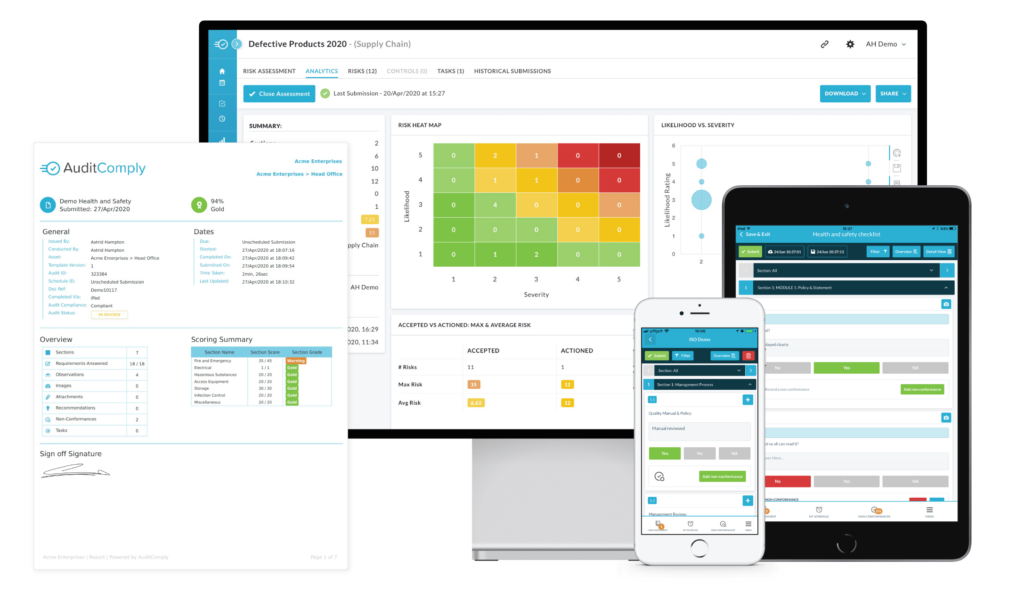
Nulogy aims to lift the ESG visibility barrier with an end-to-end supplier management solution. Implementing a Risk-Based Audit approach to proactively assess, identify, manage and predict ESG risks in real-time. Automating your approach to supply chain governance and ensuring your suppliers are compliant with organization standards and global/local regulations at any given moment. Ensuring success in the age of global uncertainty with:
- Remote Audit Capabilities
- Targeted Due Diligence & Certification Management
- Risk Assessment with Real-Time Tracking
- Screening, Risk Categorization & Ongoing Monitoring / Vetting
- Global & Local Regulatory Compliance
- Remediation & Incident Management
Our goal is to maximize the value of your supplier relationships, providing communication channels, configurable workflows, assessment template builders and dedicated supplier portals to effectively manage, monitor and track the supplier at every stage. Allowing supply chain leaders to provide assurances of risk, compliance, quality and safety across all operating jurisdictions.
To find out more about how Nulogy can guide & evolve your ESG narrative request your demo here.