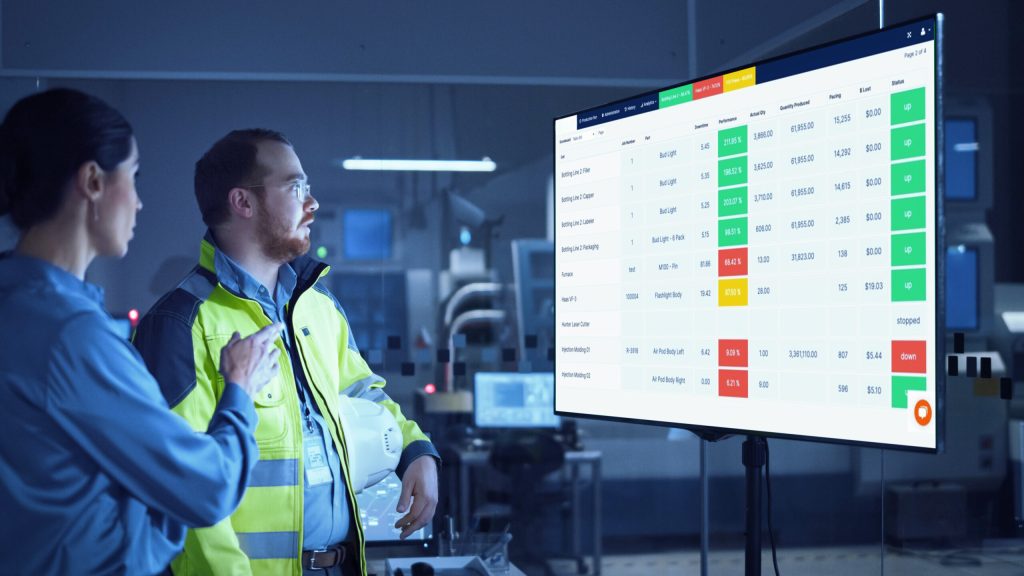

Choosing the right lean manufacturing software can make or break your production efficiency. With countless options on the market, it’s tempting to focus solely on features or price. However, the real game-changers lie in how well the software integrates into your existing environment, how easily your team can adopt it, and whether it delivers a solid return on investment within a reasonable timeframe.
Let’s dive into the top three factors that should guide your decision-making process, ensuring you select a solution that drives continuous improvement without disrupting your operations.
Understanding Integration Capabilities
Integration is the backbone of any lean manufacturing software. Without seamless connectivity to your current systems, even the most advanced software can become a bottleneck rather than a solution. The ability to share data, automate workflows, and synchronize processes across departments is critical for maintaining lean principles.
Failing to assess integration capabilities early on can lead to costly workarounds, data silos, and increased manual effort-exactly what lean manufacturing aims to eliminate. By prioritizing integration from the outset, organizations can ensure that their lean initiatives are supported by a robust technological framework that enhances efficiency rather than hinders it.
Compatibility with Existing Systems
Manufacturing environments often rely on a patchwork of legacy systems, ERP platforms, MES solutions, and specialized equipment software. The lean manufacturing software you choose must communicate effectively with these components. Compatibility isn’t just about technical connections; it’s about ensuring data flows smoothly and accurately across your entire production ecosystem.
For example, if your current ERP system manages inventory and procurement, your manufacturing software should pull real-time inventory levels to optimize production scheduling. Without this, you risk overproduction or stockouts, which contradict lean’s core goal of waste reduction. Furthermore, the integration of real-time data analytics can provide insights into production trends, enabling proactive adjustments that align with lean methodologies.
Before committing, ask vendors about supported integrations, APIs, and middleware options. Software that offers pre-built connectors for popular systems, such as Nulogy’s Manufacturing Operating System (MOS) can save months of custom development and reduce implementation risks. Additionally, consider the vendor’s track record in supporting ongoing updates and maintaining compatibility with future technologies, as this can significantly impact the longevity and effectiveness of your lean software solution.
Low Code/No Code Capabilities
Flexibility is key when integrating software into complex manufacturing processes. Low code or no code capabilities empower your team to customize workflows, reports, and dashboards without deep programming knowledge. This agility enables faster adaptation to changing production needs and continuous improvement initiatives.
Imagine a production manager who can tweak a quality control checklist or adjust a reporting metric on the fly, without waiting weeks for IT support. This responsiveness accelerates problem-solving and keeps lean practices aligned with real-world conditions. Moreover, the ability to quickly iterate on processes fosters a culture of experimentation and learning, which is essential for continuous improvement in lean environments.
Low code/no code features (included in Nulogy’s MOS) also reduce dependency on external consultants, lowering long-term costs and fostering a culture of ownership and innovation within your organization. By enabling team members from various departments to contribute their insights and expertise, you create a more collaborative atmosphere that can lead to innovative solutions and improved operational efficiencies. This democratization of technology not only empowers employees but also aligns with the core principles of lean manufacturing, which emphasize the importance of every team member’s contribution to the overall success of the organization.
Evaluating User Experience and Adoption
Even the most powerful software is useless if your team struggles to use it. User experience (UX) plays a pivotal role in adoption rates and overall success. Lean manufacturing thrives on employee engagement, so the software must be intuitive and accessible to operators, supervisors, and managers alike.
Consider how the software fits into daily routines and whether it simplifies tasks rather than adding complexity. A well-designed user interface can significantly reduce the time spent on training and troubleshooting, allowing teams to focus on their core responsibilities. For example, Nulogy’s Manufacturing Operating System is built with operators and plant floor staff in mind, helping make their lives easier.
When software integrates seamlessly into existing workflows, it not only enhances productivity but also fosters a culture of innovation where employees feel empowered to leverage technology to improve processes.
Interface Intuitiveness and Learning Curve
A steep learning curve can stall implementation and frustrate users. Software with a clean, logical interface reduces training time and encourages consistent use. Visual cues, clear navigation, and contextual help features make a big difference in how quickly your team becomes proficient. The importance of user-friendly design cannot be overstated; it can be the difference between a successful rollout and a costly failure.
Look for solutions that offer role-based dashboards tailored to specific job functions. Operators need quick access to work instructions and real-time alerts, while managers require performance metrics and trend analyses. Easy to use interfaces (such as in Nulogy’s MOS) ensure everyone gets the information they need without clutter. Moreover, incorporating user feedback into the design process can lead to continuous improvements, ensuring that the software evolves alongside the needs of its users. Engaging employees in this way not only enhances the tool but also boosts morale as they see their input valued and acted upon.
Mobile Accessibility and Remote Monitoring
Manufacturing floors are dynamic environments. Workers and supervisors are often on the move, making mobile accessibility a crucial factor. Manufacturing software that supports smartphones, tablets, and other mobile devices enables real-time data entry, issue reporting, and decision-making from anywhere on the plant floor. This mobility not only increases efficiency but also empowers employees to take immediate action, reducing downtime and enhancing overall productivity.
Remote monitoring capabilities extend this flexibility further. Managers can track production KPIs, receive alerts, and intervene promptly even when off-site. This continuous visibility supports lean’s emphasis on quick response and continuous improvement. Additionally, the ability to access critical data remotely can facilitate better communication and collaboration among teams, as everyone stays informed and aligned regardless of their physical location.
Ensure the software’s mobile apps or web portals are responsive, secure, and offer offline functionality for environments with limited connectivity. Security is paramount, especially when sensitive operational data is involved; therefore, look for solutions that incorporate robust encryption and authentication measures. Furthermore, consider how the software can integrate with other tools and systems already in use, as this can enhance functionality and streamline operations even further.
Assessing ROI and Implementation Timeline
Investing in lean manufacturing software is a strategic decision. Understanding the financial impact and how quickly benefits will materialize is essential. A thorough evaluation of total costs and deployment plans helps set realistic expectations and secure stakeholder buy-in.
Total Cost of Ownership Analysis
Price tags can be deceiving. The initial licensing fee is just the beginning. Consider ongoing costs such as maintenance, support, training, upgrades, and potential customization. Cloud-based solutions may have subscription fees, while on-premise software could require hardware investments.
Calculate the total cost of ownership (TCO) over a typical usage period, usually three to five years. Compare this against anticipated savings from reduced waste, improved throughput, and lower labor costs. A robust ROI analysis will highlight whether the software justifies its expense.
Don’t overlook indirect benefits like enhanced compliance, better customer satisfaction, and improved employee morale. These factors contribute to long-term value but can be harder to quantify. For instance, a more efficient production process can lead to faster delivery times, which not only satisfies customers but also strengthens brand loyalty. Furthermore, when employees feel empowered by streamlined processes, their job satisfaction increases, leading to lower turnover rates and associated hiring costs.
Deployment Strategy and Scalability Options
How quickly can you get up and running? A prolonged implementation can disrupt operations and delay benefits. Look for vendors that offer clear deployment roadmaps, including pilot phases, training schedules, and support resources.
Scalability is equally important. Your manufacturing needs will evolve, and your software should grow with you. Whether expanding production lines, adding new facilities, or integrating emerging technologies like IoT sensors, the software must accommodate change without requiring a complete overhaul. It’s crucial to assess how easily the software can adapt to new processes or products, as this flexibility can significantly reduce future costs and downtime.
Flexible deployment options-cloud, on-premise, or hybrid-allow you to choose what fits your infrastructure and growth plans best. Confirm that the vendor has a track record of supporting customers through scaling challenges. Additionally, inquire about their customer support structure; a responsive support team can make all the difference when unexpected issues arise during scaling. The right partner will not only provide the tools you need but also offer insights and best practices that can help you maximize your software investment.
Choosing lean manufacturing software is not just about ticking feature boxes. It’s about finding a partner that integrates seamlessly, empowers your people, and delivers measurable value swiftly. Prioritizing integration capabilities, user experience, and ROI ensures your investment drives real, sustainable improvements on the factory floor. Moreover, engaging with a vendor that offers continuous updates and innovations can keep your operations at the forefront of industry advancements, ensuring that you remain competitive in a rapidly evolving market.
Take the Next Step with Nulogy
Ready to accelerate your manufacturing operations? Nulogy’s manufacturing operating system is purpose-built to drive efficiency, accuracy, and productivity. By focusing on the key factors of integration, user experience, and ROI, our solution is designed to deliver sustainable improvements to your factory floor.
Contact us today to discover how we can make your business faster, smarter, and more profitable.