
Choosing the right manufacturing process software can transform how a company operates, from streamlining workflows to boosting productivity and reducing costs. Yet, with so many options available, identifying the best fit for your specific manufacturing needs can be overwhelming. This guide breaks down what manufacturing process software entails, highlights standout solutions, and offers practical advice on selecting the ideal platform for your business.
Understanding Manufacturing Process Software
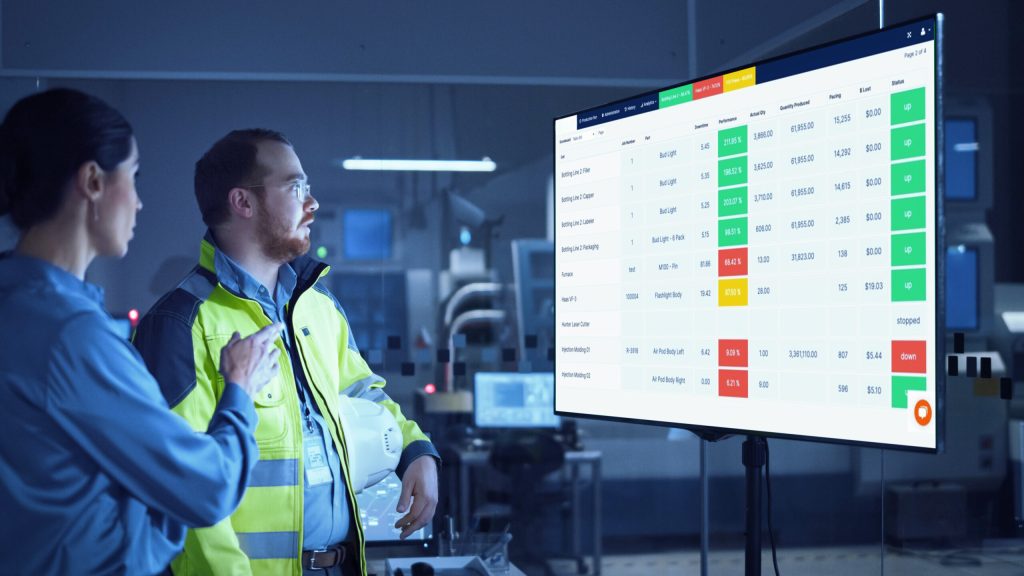
Manufacturing process software is designed to manage, monitor, and optimize the various stages involved in producing goods. It integrates data from production lines, suppliers, inventory, and quality control to provide a comprehensive view of operations. This visibility enables manufacturers to make informed decisions, reduce waste, and maintain consistent product quality.
At its core, this software serves as the digital backbone of manufacturing operations. It connects disparate systems and automates routine tasks, freeing up human resources for more strategic activities. Whether a company produces automotive parts, electronics, or consumer goods, manufacturing process software adapts to the unique demands of each sector. By leveraging cloud technology, manufacturers can also access their systems remotely, allowing for greater flexibility and responsiveness to market changes.
Moreover, the implementation of manufacturing process software often leads to enhanced collaboration across teams. For instance, design engineers can work closely with production teams to ensure that new products are manufacturable, while customer-facing teams can access real-time production data to provide accurate delivery timelines to customers. This interconnectedness fosters a culture of continuous improvement, where feedback loops between departments lead to innovative solutions and better product offerings.
Key Features of Manufacturing Process Software
One of the most critical features is real-time production monitoring. This allows managers to track the status of machines, work orders, and employee performance instantly. Alerts for equipment malfunctions or delays help prevent costly downtime. Additionally, many systems now incorporate IoT (Internet of Things) technology, enabling sensors on machines to provide data that can be analyzed for predictive maintenance, further minimizing unexpected breakdowns and enhancing reliability.
Another essential feature is inventory management, which ensures materials are available when needed without overstocking. Advanced systems use predictive analytics to forecast demand and optimize stock levels. This capability not only helps in reducing carrying costs but also ensures that manufacturers can respond swiftly to changes in consumer demand, thus maintaining a competitive edge in the market.
Quality control modules are also integral, enabling the capture of inspection data and compliance with industry standards. Some software includes traceability functions, which track components from raw materials to finished products, crucial for recalls or audits. This traceability is particularly important in industries such as food and pharmaceuticals, where safety regulations are stringent and product integrity is paramount.
How Manufacturing Software Improves Operational Efficiency
Manufacturing software reduces manual data entry and paperwork by automating workflows, which minimizes human error and speeds up processes. This automation leads to faster production cycles and improved throughput. Furthermore, the software can analyze historical data to identify patterns and trends, allowing manufacturers to refine their processes continuously and implement lean manufacturing principles effectively.
By providing detailed analytics, these systems help identify bottlenecks and inefficiencies. For example, if a particular machine frequently causes delays, managers can schedule maintenance proactively or consider upgrades. The ability to simulate production scenarios also allows for better planning and resource allocation, ensuring that manufacturers can adapt to fluctuations in demand without compromising quality or delivery times.
Additionally, integrated communication tools facilitate better coordination between departments such as procurement, production, and shipping. This alignment ensures that everyone works toward common goals and deadlines, improving overall operational harmony. Enhanced communication not only streamlines processes but also fosters a sense of teamwork and accountability, as all members of the organization are kept informed of changes and developments in real-time.
Top Manufacturing Process Software Solutions
When evaluating software, it’s important to consider both the scale of your operation and the complexity of your manufacturing processes. The market offers a range of solutions tailored to different business sizes and industries.
Enterprise-Level Manufacturing Software Platforms
Large manufacturers often require robust platforms that support complex workflows and extensive customization. Enterprise Resource Planning (ERP) systems with manufacturing modules are popular choices. These platforms integrate manufacturing with finance, human resources, and supply chain management, providing a unified system.
Examples include SAP Manufacturing Execution, Oracle Manufacturing Cloud, and Microsoft Dynamics 365 Supply Chain Management. These solutions offer scalability, advanced analytics, and compliance features suited for multinational corporations operating multiple plants.
They also support Industry 4.0 initiatives, incorporating IoT devices and machine learning to enhance predictive maintenance and process optimization. By leveraging real-time data, these platforms enable manufacturers to make informed decisions, reduce downtime, and streamline operations, ultimately leading to increased productivity and profitability.
Furthermore, many enterprise-level solutions come with advanced reporting capabilities that allow businesses to analyze performance metrics across different departments. This holistic view not only aids in identifying bottlenecks but also facilitates strategic planning and resource allocation, ensuring that manufacturers remain competitive in a rapidly evolving market.
Large ERP systems, as indicated, are built for enterprise-level businesses, and are less suited to small or growing manufacturers. Further, ERPs are commonly intended to support business functions such as finance and accounting, and require extensive customization and support to extend into manufacturing processes. This over-customization usually adds up in costs, delays, and continued reliance on third-party software specialists.
Small to Medium Business Manufacturing Solutions
For small and medium-sized enterprises (SMEs), cost-effectiveness and ease of use are often top priorities. Cloud-based manufacturing software has gained popularity in this segment due to lower upfront costs and faster deployment.
Platforms like Fishbowl Manufacturing, JobBOSS, and Katana offer user-friendly interfaces and essential features such as job tracking, inventory control, and order management. They allow SMEs to improve efficiency without the complexity or expense of large ERP systems.
Many of these solutions also provide integration with popular accounting and e-commerce platforms, making them versatile for businesses expanding their digital footprint. This integration not only simplifies financial management but also enhances customer experience by streamlining order processing and fulfillment.
However, as manufacturing businesses grow, these small and medium-sized solutions are pressed to scale easily, and many manufacturers will opt to choose a new software platform to support their growing needs.
Manufacturing Operating Systems
The Manufacturing Operating System (MOS) is a software platform that offers the best of both worlds to manufacturers of all sizes. The MOS is specifically built to solve the digital disconnect between systems in a manufacturing business.
By supporting every stage of the manufacturing process, and sharing real-time data on a single platform, the MOS builds off your existing solutions to support smarter and more efficient manufacturing, co-packing, and distribution.
In addition, the Manufacturing Operating System is anchored by a Unifying Core of supporting features and services that drive real-time data, advanced analytics, and AI-driven insights for manufacturers across every site, process, and partner.
And, unlike other vendors that claim to have an end-to-end platform, the MOS provides a modular, purpose-built system that enhances every aspect of the manufacturing process, without needing to rip and replace your existing system or purchase features you don’t need.
Selecting the Right Manufacturing Software for Your Needs
Choosing the best software requires a careful evaluation of your company’s specific requirements, budget, and long-term goals. A one-size-fits-all approach rarely works in manufacturing.
Assessment Criteria for Manufacturing Software Selection
Start by mapping out your current manufacturing processes and identifying pain points. Are you struggling with inventory inaccuracies, production delays, or quality inconsistencies? Understanding these challenges will guide your software requirements.
Next, consider the software’s scalability. Will it support your growth plans? Look for solutions that can handle increased production volumes or additional product lines without significant reconfiguration. This is particularly important if you anticipate entering new markets or expanding your product offerings, as the right software should be able to adapt to these changes seamlessly.
User experience is another crucial factor. Software that is difficult to learn or navigate can hinder adoption and reduce the anticipated benefits. Request demos and trial periods to assess usability. Engaging your team in the selection process can also provide valuable insights, as they are the ones who will be using the software daily. Their feedback can help identify features that are truly beneficial and ensure that the software aligns with their workflow.
Integration capabilities should not be overlooked. Your manufacturing software must communicate seamlessly with existing systems such as ERP, CRM, or supply chain platforms to avoid data silos. A well-integrated system can enhance visibility across departments, streamline operations, and improve decision-making by providing real-time data access.
Implementation and Integration Considerations
Successful implementation often requires careful planning and collaboration between software vendors and internal teams. Establish clear timelines, milestones, and responsibilities to keep the project on track. It’s also beneficial to create a dedicated project team that includes members from various departments to ensure that all perspectives are considered and that the software meets the diverse needs of your organization.
Training is vital to ensure that employees understand how to use the new system effectively. Consider a phased rollout to minimize disruption and allow for adjustments based on user feedback. Offering ongoing training sessions and resources can further enhance user confidence and proficiency, leading to better utilization of the software’s capabilities.
Data migration can be complex, especially when transitioning from legacy systems. Thorough testing before going live helps prevent data loss and operational hiccups. It’s advisable to establish a comprehensive data mapping strategy to ensure that all necessary information is accurately transferred and that any historical data remains accessible for future reference.
Finally, ongoing support and software updates are essential to maintain performance and security. Choose vendors with strong customer success reputations and transparent upgrade policies. Regular updates not only enhance functionality but also address any security vulnerabilities, ensuring that your manufacturing operations remain protected against evolving threats. Additionally, consider the vendor’s community and resources, such as forums or user groups, where you can share experiences and gain insights from other users in the industry.
Transform Your Manufacturing Process with Nulogy
Ready to take your manufacturing operations to the next level? Nulogy’s manufacturing operating system is designed to enhance your efficiency, accuracy, and productivity. With our purpose-built solutions, expect to see your business become faster, smarter, and significantly more profitable.
Don’t miss out on the opportunity to revolutionize your manufacturing processes. Contact us today to learn more about how Nulogy can support your growth and success.